
Lecture/Discussion
General Education Outcomes are the knowledge, skills, abilities, attitudes, and behaviors that students are expected to develop as a result of their overall experiences with any aspect of the college, including courses, programs, and student services, both inside and outside of the classroom. The General Education Outcomes specifically learned in this course are:
- Communication
- Critical Thinking
Topical Outline
• Introduction to Marketing and Customer Value
• Strategic Marketing Planning
• The Marketing Environment
• Consumer and Business Buyer Behavior
• Market Segmentation, Targeting, and Positioning
• Product and Branding Strategies
• Pricing Concepts and Strategies
• Marketing Channels and Distribution Systems
• Integrated Marketing Communications
• Advertising and Promotion
• Personal Selling and Sales Management
• Digital and Social Media Marketing
• Global Marketing
• Ethical and Socially Responsible Marketing
College Policies, Resources, & Supports
Faculty Contact Information
By Appointment
bhood@kcc.edu
Course Information
At the end of this course, students will be able to:
- Analyze marketing opportunities by researching markets and identifying market segments and target markets for products and services
- Develop product strategies by determining the appropriate marketing mix for products and services
- Develop distribution strategies by identifying appropriate marketing channels and logistical decisions
- Develop promotional strategies by determining an appropriate promotional mix and marketing communications strategy
- Develop pricing strategies by determining pricing goals and strategies, and setting appropriate prices for products and services
Principles of Marketing (17th ed.), Philip Kotler, Gary Armstrong, and Marc Oliver
Opresnik. Pearson
Business, Technology & Human Services
Dean, Paul Carlson; 815-802-8858; V105; pcarlson@kcc.edu; Division Office – W102; 815-802-8650
Academic Integrity
KCC considers student violation of academic integrity to be a serious offense. Violations include, but are not limited to, plagiarism, cheating, AI, fabrication/falsification, and personal misrepresentation. The academic integrity policy refers to all coursework in this class for the duration of the semester. The internet is an incredibly powerful learning tool that provides access to information on any topic. The same powerful internet has also made it easier to detect plagiarism, and plagiarism in any form is treated as follows:
• First incident of plagiarism, student will be issued a warning.
• Second incident of plagiarism will result in a zero for the assignment.
• Third incident of plagiarism will be reported to school officials.
Refer to KCC’s Code of Campus Affairs and Regulations, Section 17.2, for specific violations of academic integrity.
Mechanics
College-level writing is expected on all assignments. This includes proper spelling, grammar, punctuation, and sentence structure (complete sentences). When applicable, writing must include appropriate in-text citations and references. Use of text language is prohibited. All written assignments are graded accordingly.
Attendance
Attendance is recorded and reported to the Admissions and Financial Aid offices. Student attendance is essential to academic success. Various exercises will be completed in class, both individually and collaboratively, and comprehension assessments will cover material from class lecture, discussions, the textbook, and supplemental or related material. Also, students are expected to log in to the virtual classroom to complete additional assignments required in this hybrid class. This course is designed to reward students who attend class regularly, are prepared, work diligently through the assignments, and participate in discussions and in-class activities.
Attendance includes a student’s ability to arrive on time and remain in class until dismissed. Class will begin promptly at its scheduled time. Students arriving after the official starting time of the class are considered tardy. Tardiness is disruptive to the learning environment and can result in a reduction in a student’s grade. Failure to attend each class period for the fully scheduled duration contributes to excessive absences.
Excessive absences will have an adverse effect on a student’s grade as well as create cause for being expunged from the course. Excessive absence is defined as nonattendance for >3 classroom hours in a semester or nonattendance for three consecutive days. The instructor’s right to institutionally withdraw or fail a student for nonattendance is in accordance with KCC’s Code of Campus Affairs and Regulations, Section 3.0.
Refer to KCC’s Code of Campus Affairs and Regulations, Section 3.0 for specific attendance policies.
Assignments
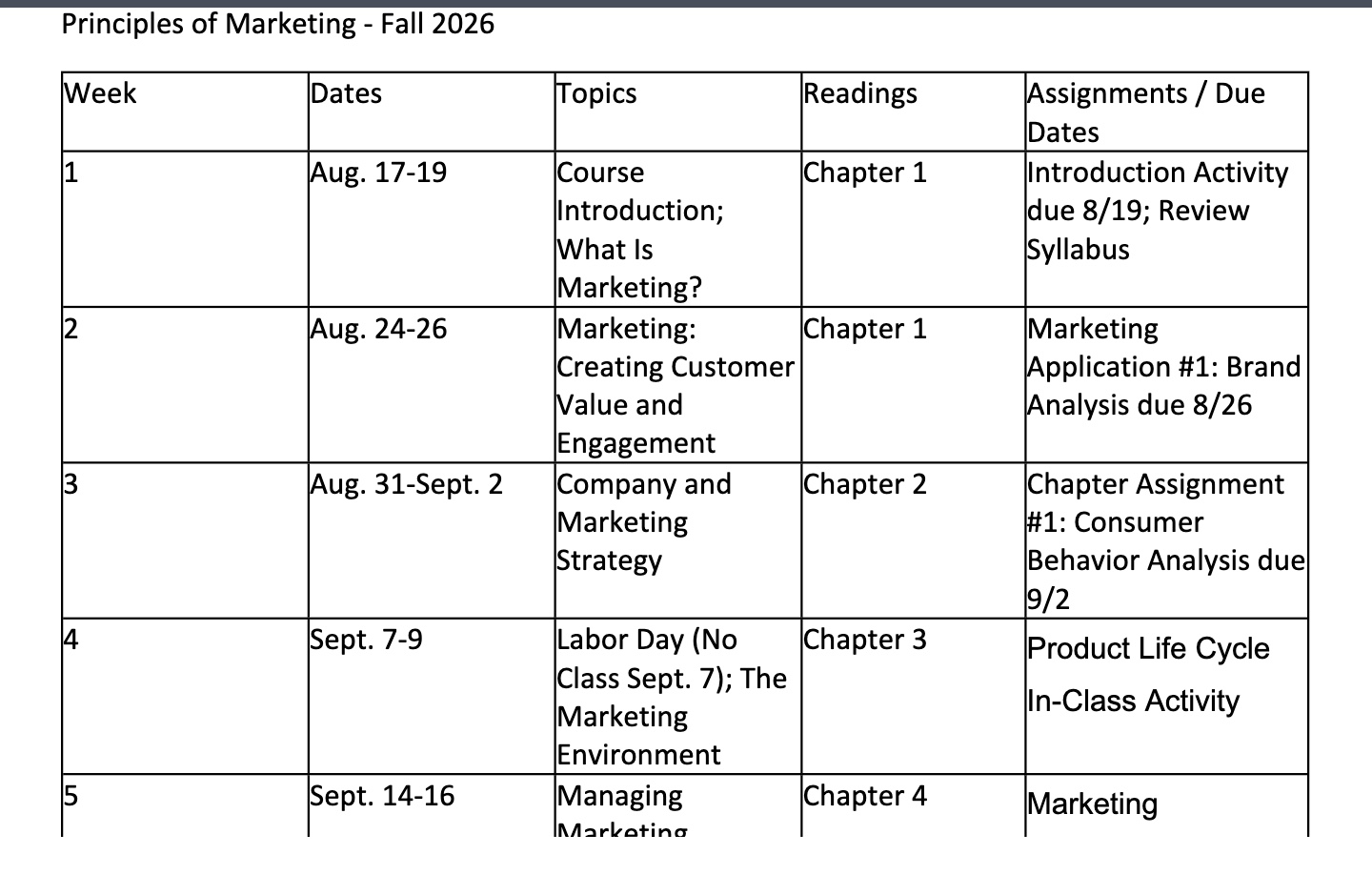
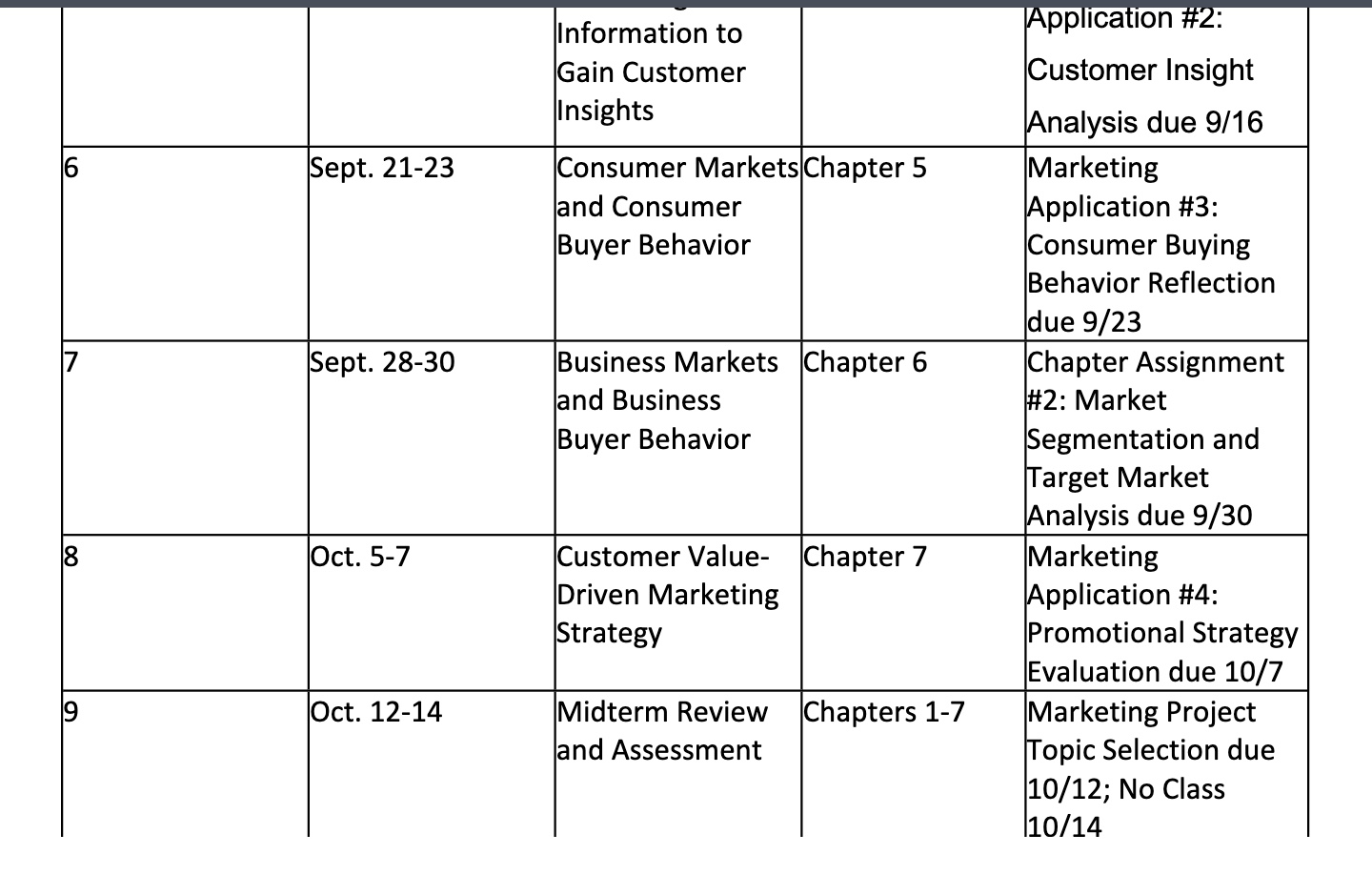
This course meets for 75 minutes face-to-face, and students fulfill the remaining 75 minutes of the 2.5-hour weekly requirement outside of class through independent study and coursework submissions via the Canvas Learning Management System. Coursework is prepared and presented in a variety of methods for the purpose of effective learning as well as attaining learning outcomes. Details of assignments, due dates/times, and grading rubrics are provided regularly and used for assessing accordingly.
All coursework is assigned a due date in order to facilitate appropriate progression of course material as well as complete the required work in a timely manner. Assignments will be submitted in class or electronically in the proper forum in Canvas by the specified deadline time. Assignments will not be distributed or accepted by email. Assignments will not be accepted more than one class period late face-to-face. Assignments will not be accepted more than three days late online. At the time of grading, if no assignment is received, a 0 will be entered in the gradebook until submission of the assignment (if received within the penalty duration). Students who are failing at midterm of the semester will be expunged with a grade of “W”. Acceptance of late assignments and credit given is at the instructor’s discretion.
Students are expected to attend class prepared by having read and completed assigned homework, which includes printing assignments, and then participate during class sessions. Technology issues are not accepted as an excuse for incomplete/late assignments nor as an excuse for arriving late to class. It is the student's responsibility to ensure possession of proper working equipment and a contingency plan for outages. Computers and printers for student use are available on KCC’s campus.
Grades
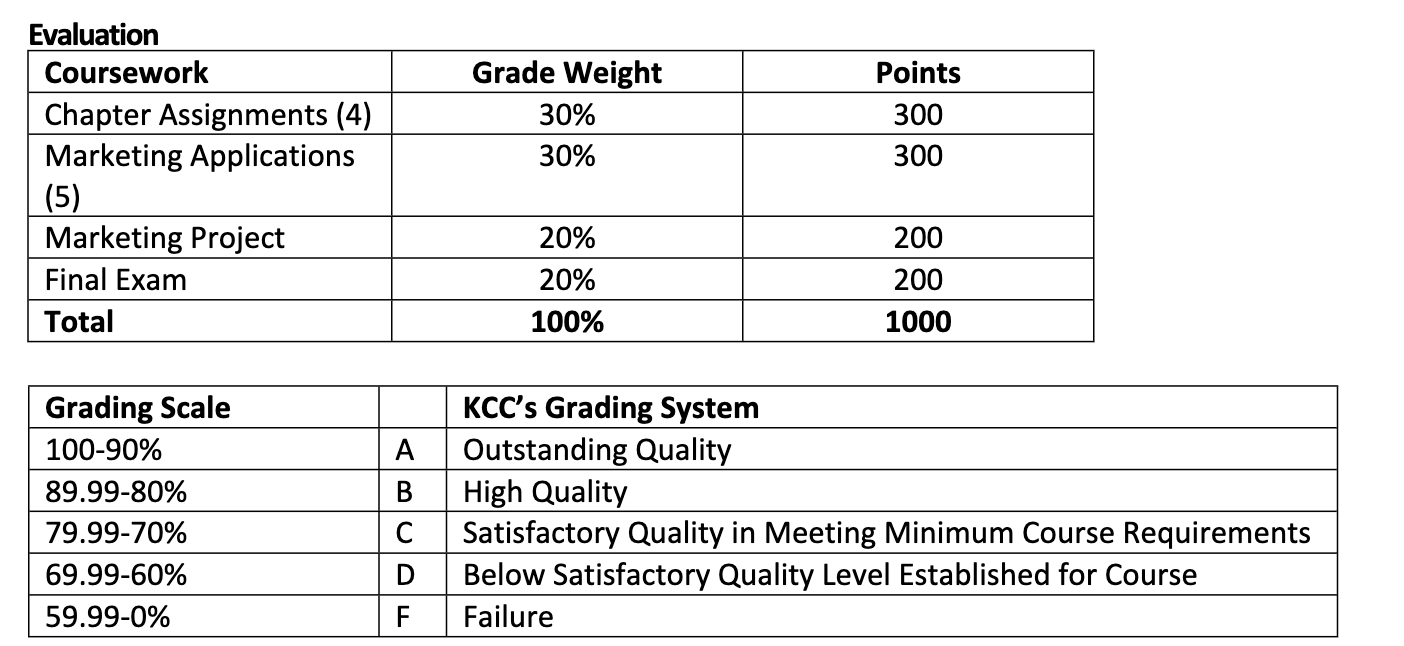
All grades count. Lowest grades are not dropped for any assignments. Diligence in completing the required coursework is expected. It is the student’s responsibility to routinely assess their gradebook in Canvas for errors or missing assignments/grades and communicate discrepancies to the instructor.
Classroom Rules
The instructor’s classroom rules are in accordance with KCC’s Code of Campus Affairs and Regulations, Section 17.0. The following classroom rules have been extended from the Code of Conduct and established by the instructor to ensure conduct by all students is conducive with KCC’s expectations for providing a respectful learning environment without disruptions. Students are expected to exercise professionalism and etiquette conducive for providing a respectful learning environment.
• No electronic device use during class. This includes cell phones, earbuds, and headphones. These
electronic devices will be silenced and put away before class begins. Students using a laptop,
tablet, or e-reader to access course text and/or take notes are expected to limit use of that device
to coursework only.
• No picture taking allowed. Students are expected to take notes and use thecourse materials provided. Picture taking is a privacy violation.
• In computer labs, computers are to be used only for the coursework assigned during the class period. No internet/social media use, checking email, online shopping, playing games, or accessing assignments for other courses. The instructor may engage the LAN school software to monitor computer use as necessary.
• Working on homework for another course during this class period is strictly prohibited. As well, working on late or missed homework for this class during the current lecture is not allowed.
• No food of any kind is allowed in the classroom before and during class. Covered drinks may be permitted except in computer labs where a notice is posted prohibiting such. The instructor may require that drinks be removed from desktops.
•Be respectful to others in the classroom during the learning process.
A student’s inability to follow rules of college classroom professionalism and etiquette is considered a violation of KCC’s Code of Conduct. It is the instructor’s responsibility to manage an appropriate learning environment and has the right to discipline students who do not comply. A student’s enrollment in this course and acceptance of this syllabus indicates an agreement to comply with the classroom rules. Violation of the following classroom rules will be treated as follows:
• First incident, student will be issued a warning and asked to comply.
• Second incident, student will be required to leave the classroom and meet with the instructor before returning.
• Third incident, student will be administratively withdrawn from the course.
While working online, students are expected to exercise the same professionalism and etiquette conducive for providing a respectful learning environment without disruptions.
Refer to KCC’s Code of Campus Affairs and Regulations, Section 17.1 for specific code of conduct policies.
Classroom Rules
The instructor’s classroom rules are in accordance with KCC’s Code of Campus Affairs and Regulations, Section 17.0. The following classroom rules have been extended from the Code of Conduct and established by the instructor to ensure conduct by all students is conducive with KCC’s expectations for providing a respectful learning environment without disruptions. Students are expected to exercise professionalism and etiquette conducive for providing a respectful learning environment.
• No electronic device use during class. This includes cell phones, earbuds, and headphones. These
electronic devices will be silenced and put away before class begins. Students using a laptop,
tablet, or e-reader to access course text and/or take notes are expected to limit use of that device
to coursework only.
• No picture taking allowed. Students are expected to take notes and use course materials provided. Picture taking is a privacy violation.
• In computer labs, computers are to be used only for the coursework assigned during the class period. No internet/social media use, checking email, online shopping, playing games, or accessing assignments for other courses. The instructor may engage the LAN school software to monitor computer use as necessary.
• Working on homework for another course during this class period is strictly prohibited. As well, working on late or missed homework for this class during the current lecture is not allowed.
• No food of any kind is allowed in the classroom before and during class. Covered drinks may be permitted except in computer labs, where a notice is posted prohibiting such. The instructor may require that drinks be removed from desktops.
•Be respectful to others in the classroom during the learning process.
A student’s inability to follow the rules of college classroom professionalism and etiquette is considered a violation of KCC’s Code of Conduct. It is the instructor’s responsibility to manage an appropriate learning environment and has the right to discipline students who do not comply. A student’s enrollment in this course and acceptance of this syllabus indicate an agreement to comply with the classroom rules. Violation of the following classroom rules will be treated as follows:
• First incident, student will be issued a warning and asked to comply.
• Second incident, student will be required to leave the classroom and meet with the instructor before returning.
• Third incident, student will be administratively withdrawn from the course.
While working online, students are expected to exercise the same professionalism and etiquette conducive for providing a respectful learning environment without disruptions.
Refer to KCC’s Code of Campus Affairs and Regulations, Section 17.1 for specific code of conduct policies.


College Policies, Resources and Supports
For information related to the Student Code of Conduct Policy, Withdrawal Policy, Email Policy, and Non- Attendance/Non-Participation Policy, please review the college’s Code of Campus Affairs and Regulations webpage, which can be found at catalog.kcc.edu under the Academic Regulations & Conduct Guide.
KCC offers various academic and personal resources for all students. Many services are offered virtually, as well as in person. Please visit Student Resources - Kankakee Community College to access student resources services such as:
- Clubs and organizations
- Counseling and referral services
- Office of disability services
- Student complaint policy
- Transfer services
- Tutoring services, etc.
The materials on this course are only for the use of students enrolled in this course for purposes associated with this course. Further information regarding KCC's copyright policy is available at https://kcc.libguides.com/copyright.
|Course syllabus/calendar is subject to change.